





2022 Bernard Magrez Huang Ding 5
-
S$7295
-
- 2+ for S$7095 each
Country: China
Vintage: 2022
Region: Ningxia, China
2022 | Winamaker Notes
The Huang Ding 5 from Bernard Magrez displays a deep, intense red hue in the glass, opening with rich, complex aromas of ripe cherry, blackberry, and subtle vanilla. On the palate, this ultra-premium Ningxia red blend is fruity, balanced, and smooth, showcasing pronounced, harmonious flavors of blackberry and blackcurrant backed by 18 months of careful barrel aging.
About Winery
Château Fombrauge traces its roots to the late 16th century, when vines were first cultivated on the property in 1599, making it one of the earliest wine-producing estates in Saint-Émilion. The estate expanded significantly in 1679, becoming the largest vineyard in the appellation. Its name comes from Dumas de Fombrauge, an 18th-century owner who was also a member of the French government. Over the centuries, the château passed through noble families and endured the upheavals of the French Revolution, when it was briefly seized as national property. Architecturally, the estate is notable for its 17th-century chartreuse-style manor house, surrounded by gardens and vineyards that reflect the grandeur of Bordeaux’s wine heritage. In modern times, Château Fombrauge was acquired by Bernard Magrez in 2012, who revitalized the estate with innovative winemaking techniques while preserving its historic character. Today, it is recognized as a Grand Cru Classé of Saint-Émilion, producing wines that combine tradition, terroir expression, and contemporary precision.
Winemaker Notes
The Huang Ding 5 from Bernard Magrez displays a deep, intense red hue in the glass, opening with rich, complex aromas of ripe cherry, blackberry, and subtle vanilla. On the palate, this ultra-premium Ningxia red blend is fruity, balanced, and smooth, showcasing pronounced, harmonious flavors of blackberry and blackcurrant backed by 18 months of careful barrel aging.
About Winery
Château Fombrauge traces its roots to the late 16th century, when vines were first cultivated on the property in 1599, making it one of the earliest wine-producing estates in Saint-Émilion. The estate expanded significantly in 1679, becoming the largest vineyard in the appellation. Its name comes from Dumas de Fombrauge, an 18th-century owner who was also a member of the French government. Over the centuries, the château passed through noble families and endured the upheavals of the French Revolution, when it was briefly seized as national property. Architecturally, the estate is notable for its 17th-century chartreuse-style manor house, surrounded by gardens and vineyards that reflect the grandeur of Bordeaux’s wine heritage. In modern times, Château Fombrauge was acquired by Bernard Magrez in 2012, who revitalized the estate with innovative winemaking techniques while preserving its historic character. Today, it is recognized as a Grand Cru Classé of Saint-Émilion, producing wines that combine tradition, terroir expression, and contemporary precision.
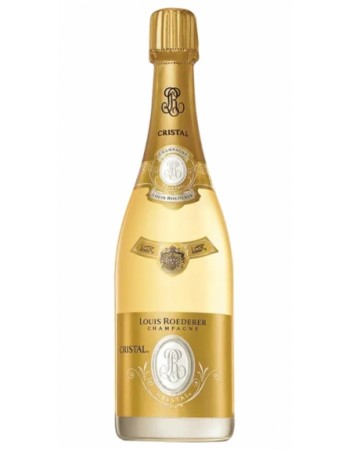

2+ for S$74698 each
2+ for S$54499 each
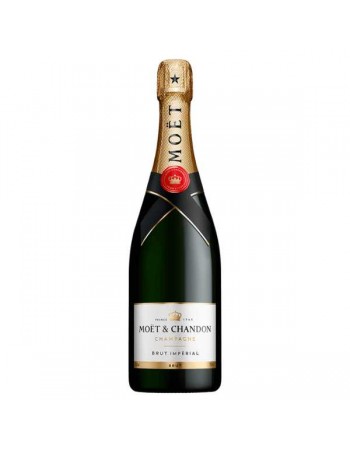
2+ for S$6695 each
2+ for S$48698 each
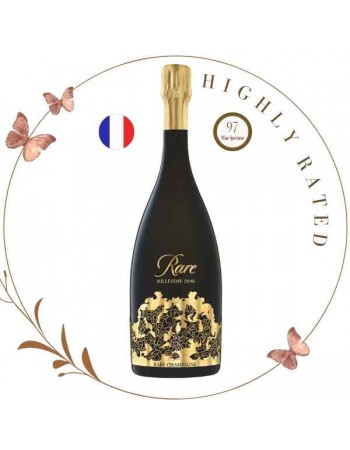
2+ for S$35295 each
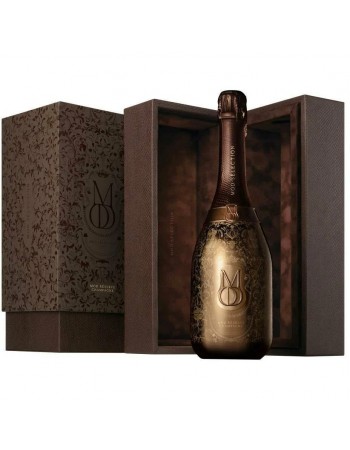
2+ for S$39588 each
2+ for S$10799 each
2+ for S$52598 each
2+ for S$6695 each
2+ for S$6695 each
2+ for S$39795 each
2+ for S$39795 each


