





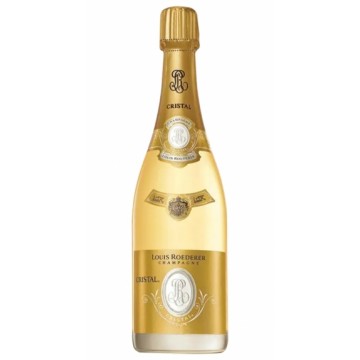
Louis Roederer Cristal Brut Champagne
-
S$100
Your Choices Set:

Vintage: Please Select Your Vintage
Region: Champagne
Country: France
The $1 is a placeholder price. The actual price, applied at checkout, will be determined once the vintage is selected.
2008 | JS 100
Complex, with notes of candied citrus, white peach, toasted hazelnuts, and hints of white chocolate.
2012 | WA 97
Rich, concentrated, and vinous, with notable powdery chalkiness and a long, firm finish.
2013 | WA 98
The 2013 is characterized by "chalky freshness" and "racy" acidity. It is described as incredibly precise, often compared to a laser, with a long, saline finish.
2014 | WS 98
Rich, balanced, and precise with flavors of candied citrus, stone fruit, and toast, finishing with a sharp, linear acidity.
About Winery
Cristal was first created by Louis Roederer for Alexander II in 1876.
It’s a family affair.
Cristal remains in the Roederer family to this day. The estate is currently overseen by Frédéric Rouzaud, the seventh generation of the family. This makes Louis Roeder the largest independent and family-owned Champagne house in the world.
Quality over quantity. It’s always vintage.
Cristal is cellar-aged for six years, and then held for another eight months after its dégorgement (the process of removing sediment from the Champagne). The vines used to grow Cristal’s grapes are also old — they must be a minimum of 25 years of age, but some are as old as 60. The older a vine is, the less fruitful it is, which contributes to the rarity of Cristal.
Cristal likes to keep it old school.
In an effort to return to tradition and make the Champagne-making operation as organic as possible, Louis Roederer began farming biodynamically in 2000. Not only did the company halt the usage of pesticides in their vineyards, but it began tilling the land with horses.
Cristal’s commonalities with crystals go beyond its sparkling appearance. Cristal’s bottles used to be made with leaded crystal. “Crystal” in French is “cristal.”
About Winery
Cristal was first created by Louis Roederer for Alexander II in 1876.
It’s a family affair.
Cristal remains in the Roederer family to this day. The estate is currently overseen by Frédéric Rouzaud, the seventh generation of the family. This makes Louis Roeder the largest independent and family-owned Champagne house in the world.
Quality over quantity. It’s always vintage.
Cristal is cellar-aged for six years, and then held for another eight months after its dégorgement (the process of removing sediment from the Champagne). The vines used to grow Cristal’s grapes are also old — they must be a minimum of 25 years of age, but some are as old as 60. The older a vine is, the less fruitful it is, which contributes to the rarity of Cristal.
Cristal likes to keep it old school.
In an effort to return to tradition and make the Champagne-making operation as organic as possible, Louis Roederer began farming biodynamically in 2000. Not only did the company halt the usage of pesticides in their vineyards, but it began tilling the land with horses.
Cristal’s commonalities with crystals go beyond its sparkling appearance. Cristal’s bottles used to be made with leaded crystal. “Crystal” in French is “cristal.”
2008 | JS 100
Complex, with notes of candied citrus, white peach, toasted hazelnuts, and hints of white chocolate.
2012 | WA 97
Rich, concentrated, and vinous, with notable powdery chalkiness and a long, firm finish.
2013 | WA 98
The 2013 is characterized by "chalky freshness" and "racy" acidity. It is described as incredibly precise, often compared to a laser, with a long, saline finish.
2014 | WS 98
Rich, balanced, and precise with flavors of candied citrus, stone fruit, and toast, finishing with a sharp, linear acidity.
Wine Advocate | 96
The 2014 Cristal is a terrific effort that transcends the vintage. Bursting from the glass with expressive aromas of ripe citrus fruit, nectarine, white flowers, freshly baked bread and subtle hints of honeycomb, it’s medium to full-bodied, vinous and fleshy, with an exuberant core of fruit that’s girdled by racy acids, resulting in a wine that’s simultaneously chiseled and demonstrative, meaning that early appeal doesn’t come at the expense of the requisite tension for long-term cellaring. Concluding with a long, aromatic and intensely chalky finish, it is a brilliant Champagne that will offer a broad drinking window. This bottle was disgorged in June 2021 with seven grams per liter dosage.
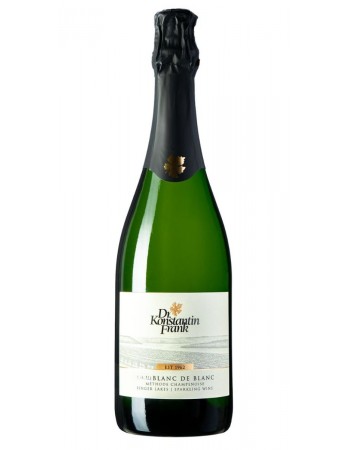

2+ for S$9399 each
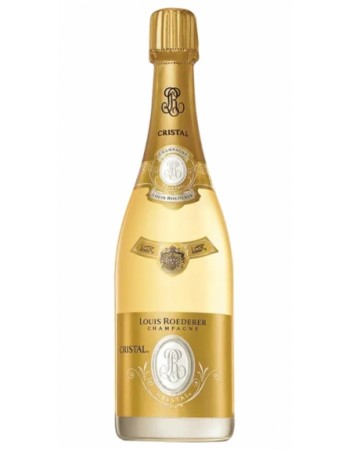
2+ for S$74698 each
2+ for S$6695 each

3+ for S$7798 each
2+ for S$24588 each
2+ for S$68588 each
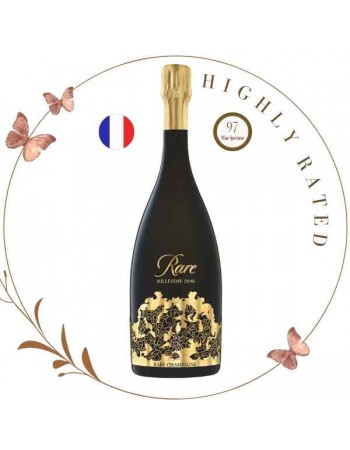
2+ for S$35295 each
2+ for S$39588 each
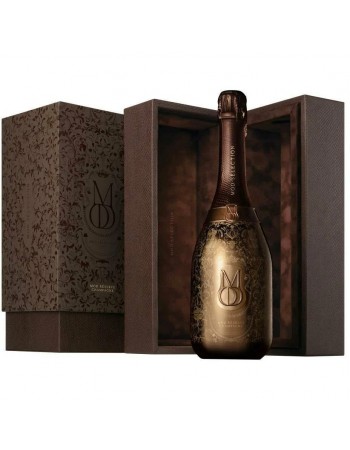
2+ for S$39588 each
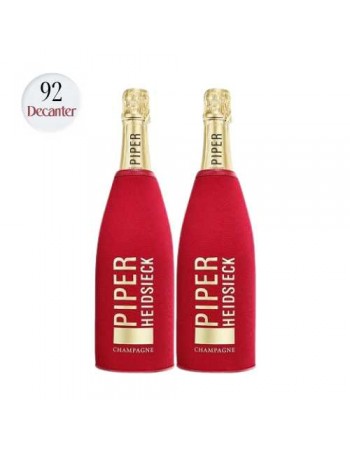
2+ for S$17488 each
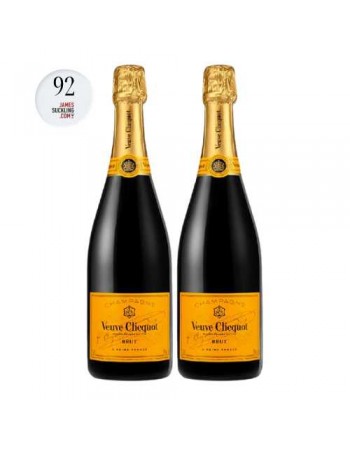
2+ for S$16288 each
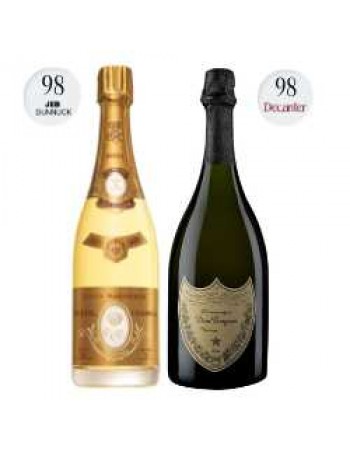
2+ for S$1,18588 each
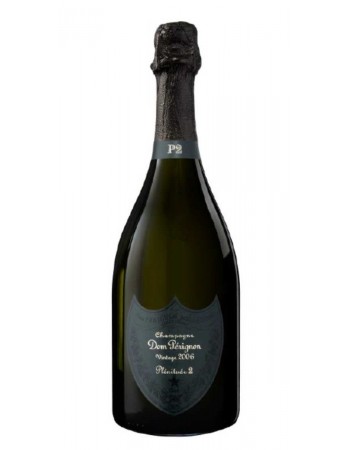

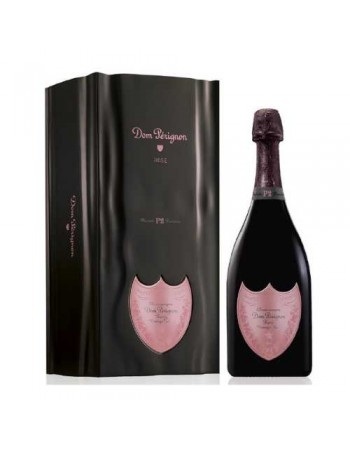
2+ for S$6299 each

6+ for S$31995 each
2+ for S$34388 each
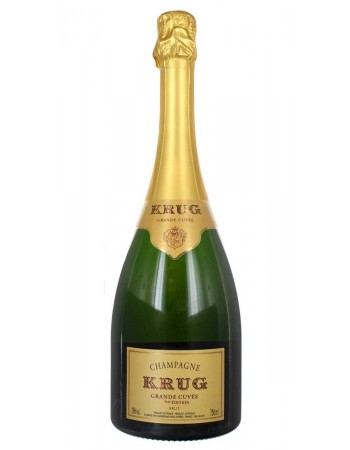
2+ for S$40798 each
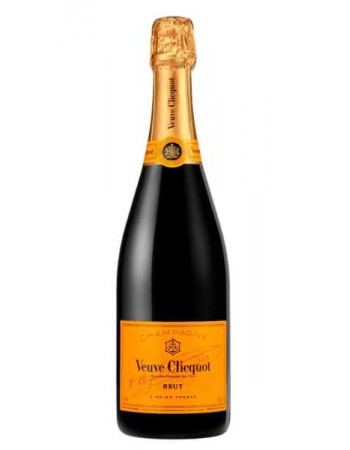
3+ for S$7798 each
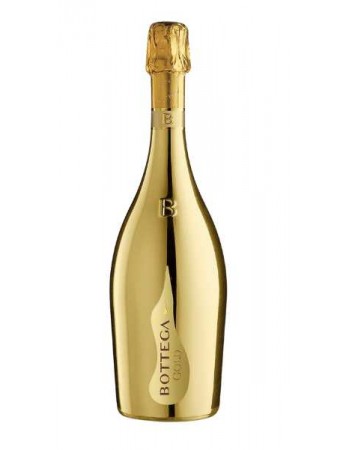
2+ for S$4888 each
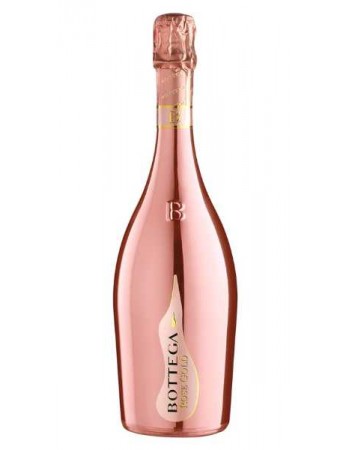
2+ for S$4588 each
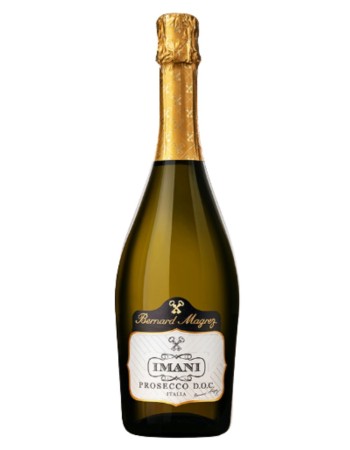
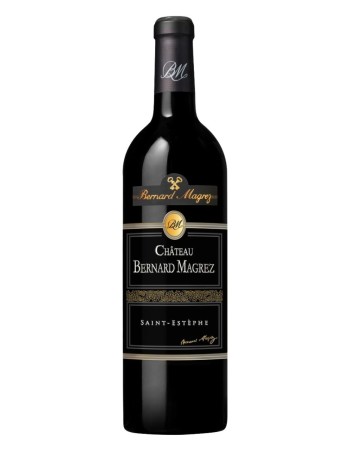
2+ for S$8999 each
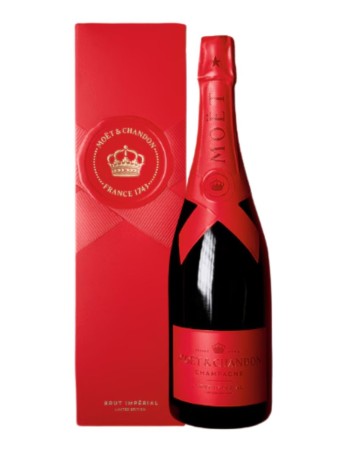
2+ for S$10799 each
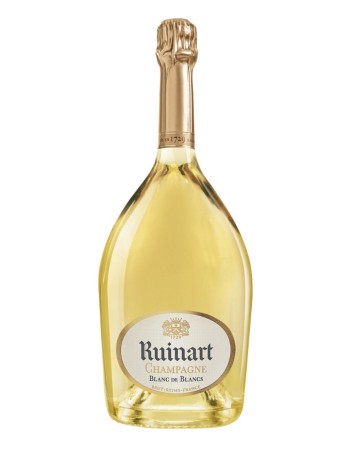
2+ for S$13595 each

2+ for S$11099 each
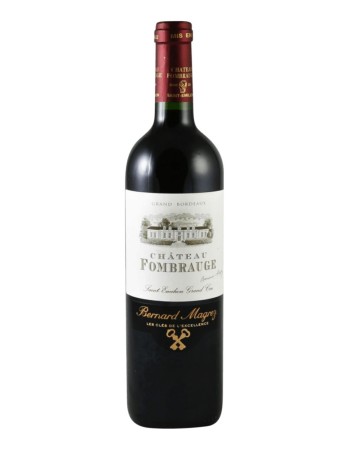
2+ for S$13499 each
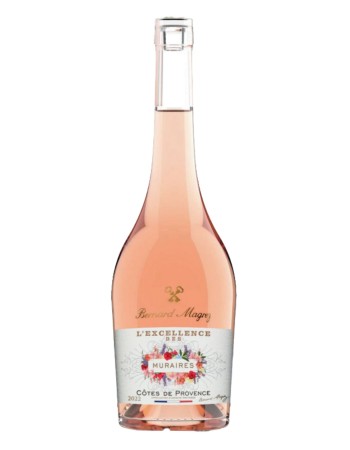
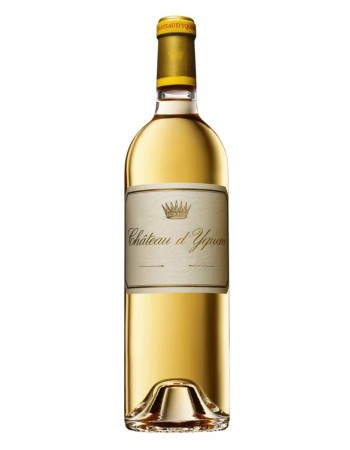
6+ for S$31295 each
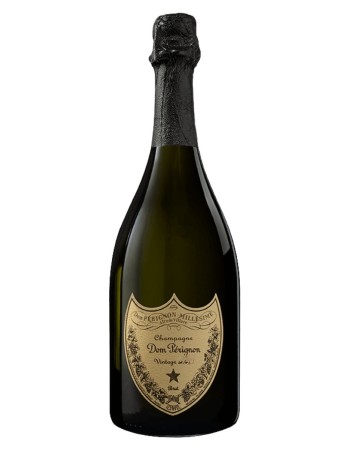
6+ for S$91395 each
6+ for S$56095 each
6+ for S$56095 each

6+ for S$36495 each
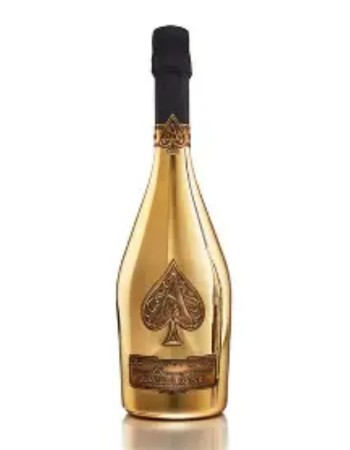
2+ for S$44698 each
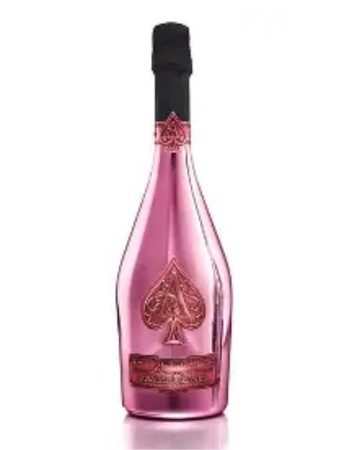
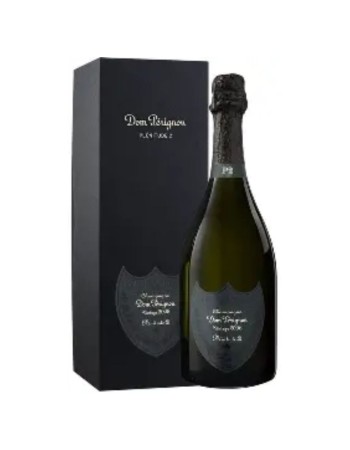
6+ for S$71898 each
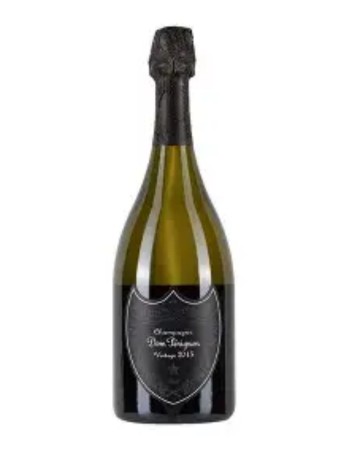
2+ for S$35295 each
6+ for S$1,71395 each
2+ for S$6695 each
2+ for S$6695 each
2+ for S$000 each
2+ for S$000 each

2+ for S$7095 each

2+ for S$8795 each

2+ for S$13499 each

2+ for S$6695 each

2+ for S$4795 each

2+ for S$4795 each


